Minerals and your health. Information to help you select foods that provide adequate daily amounts of minerals that are required by the body and how they assist our health. The best way to ensure you get the minerals needed by your body is by eating a wide variety of foods. CALCIUM FOOD SOURCE Molasses, almonds, sesame seeds, broccoli, brussels sprouts, chinese cabbage, salmon, sardines, turnip greens, collard, hummus, kale, milk, cheese and yoghurt. ACTION It has the highest recommended dose of any mineral. Assists bone growth, assists tooth formation, helps muscle growth, blood clotting and nerve function. SYMPTOMS OF DEFICIENCY - muscle aches and pains, muscle spasms and cramps and softening of the bones. RDA* 800 - 1200 mg or 5 to 6 servings daily. Calcium tablets are not very easily assimilated.
COBALT FOOD SOURCE Lettuce, cabbage, peas, tomatoes, lean meat, organ meat such as liver. ACTION Required for blood formation. It is as a component of vitamin B-12, which makes red blood cells and maintains the nervous system and helps prevent iron deficiency. SYMPTOMS OF DEFICIENCY Pernicious anemia is one of the obvious symptoms of a cobalt deficiency. It includes numbness, tingling in the extremities and decreased nerve function. RDA* Recommended Dietary Allowance for cobalt has not been established.
COPPER FOOD SOURCE Avocado, oysters, other seafood, molasses, liver, nuts and root vegetables such as carrot, turnip and parsnip. ACTION assists bone formation, the healing process, blood formation, emotional states and brain function. SYMPTOMS OF DEFICIENCY include fatigue, damage to blood vessels and anemia. 'Celiac disease, Crohn's disease, cystic fibrosis, or tropical sprue may cause this deficiency.' MERCK
IODINE FOOD SOURCE iodized salt, milk, egg yolks, and saltwater fish. ACTION synthesis of thyroid hormones, helps immune system. SYMPTOMS OF DEFICIENCY hypothyroidism, fatigue, goiter, mental slowing, depression, weight gain, cretinism, which results in developmental delays and other health problems. RDA* 150 µg
IRON FOOD SOURCE Beans (dried), egg yolk, figs, fish, lettuce, lentils, liver, meat, offal, peas, poultry, raisins, strawberries, spinach, wheatgerm and whole grain bread. ACTION Helps fatigue, disease resistance, brittle nails, skin and anemia. SYMPTOMS OF DEFICIENCY Brittle nails, pale skin, fatigue, irritability, weakness, shortness of breath, sore tongue, decreased appetite and headaches. RDA* 10 - 18 mg Vitamin C can increase absorption of iron.
LITHIUM FOOD SOURCE Whole grain seeds, Kelp ACTION Helps stabalise depressive disorders and emotional states. SYMPTOMS OF DEFICIENCY Joint pain, nervous and mental disorders including depression, ADD and ADHD and paranoid schizophrenia. RDA*
MAGNESIUM FOOD SOURCE Asparagus, bran, bone meal, green vegetables, honey, nuts, seafood and spinach. ACTION Helps treat depression, heart conditions, stomach acidity, poor circulation, noise sensitivity and kidney stones. Aids blood sugar levels. SYMPTOMS OF DEFICIENCY 'include muscle weakness, fatigue, hyperexcitability, and sleepiness'. MedlinePlus RDA* 420 mg
MANGANESE FOOD SOURCE Bananas, bran, celery, cereals, egg yolk, green leafy vegetables, liver, nuts, pineapple, whole grains. ACTION Assists in enzyme action, growth and reproduction. SYMPTOMS OF DEFICIENCY Ear noises, dizziness, allergies and asthma. RDA* 2.3 mg
PHOSPHORUS FOOD SOURCE Eggs, fish, grains, meat, poultry, yellow cheese. ACTION Assists cell growth ands repair. SYMPTOMS OF DEFICIENCY Fatigue, loss of appetite, nervous disorders. RDA* 800 mg
POTASSIUM FOOD SOURCE Artichoke, asparagus, dates, dried apricots, figs, green beans, peaches, peanuts, raisins and seafood. ACTION Helps heartbeat, kidneys, skin and blood pressure. SYMPTOMS OF DEFICIENCY High blood pressure, acne, dry skin, constipation, insomnia and weak reflexes, tiredness, muscle weakness and heart muscle irritability. RDA* 3500 grams per day SELENIUM FOOD SOURCE Fish, brewer's yeast, wheat germ, vegetables, shellfish, meat, grains, eggs, liver, and garlic. ACTION Helps prevent cell damage SYMPTOMS OF DEFICIENCY Muscle weakness, muscle pain, muscle inflammation,fragile blood cells. RDA* 55 µg/day Women who are pregnant or breastfeeding may need slighly higher amounts
SILICON FOOD SOURCE Barley, cucumber, dates, dried figs, lettuce, strawberries and sunflower seeds. ACTION Helps muscle tone, hair and nail texture. The most important mineral for all connective tissues. SYMPTOMS OF DEFICIENCY Weak, soft bones, finger nails and muscles. Sensitivity to cold RDA*
SODIUM FOOD SOURCE Cheddar cheese, cottage cheese, milk, salt and salmon. ACTION Aids muscles, blood and lymphatic system. SYMPTOMS OF DEFICIENCY This would be rare and most of us have far more than we need. Only with excessive sweating or diarrhoea may we need more. RDA* 'The National Research Council of the National Academy of Sciences recommends 1,200 to 1,500 mg of sodium each day for adults. Persons with high blood pressure should have no more than 2,300 mg of sodium a day. Those with congestive heart failure, liver cirrhosis, and kidney disease may need much lower amounts.' MedlinePlus
ZINC FOOD SOURCE Brewer's yeast, chicken, corn, eggs, fish especially herring, mushrooms, oysters, soya beans, spinach, sunflower seeds, turkey and wheatgerm. ACTION Assists skin repair, bone and teeth growth, promotes healthy immune system, necessary for correct functioning of insulin, assists normal growth and development during childhood, adolescence and pregnancy, slow aging process and improve sex drive. SYMPTOMS OF DEFICIENCY Fatigue, loss of taste, mouth sores, loss of smell, loss of appetite, hair loss, diarrhea, delayed sexual maturation and impotence, acne, slow healing of skin lesions, rashes, iron-deficiency anemia, changes in the pigmentation of skin, anorexia, hair loss and a decreased immune function. MORE INFO Medline Plus Zinc has uses based on scientific evidence and more involved info on dosing for specific symptoms. RDA* 15 mg * Recommended Daily Allowance
|
Minerals can help you:
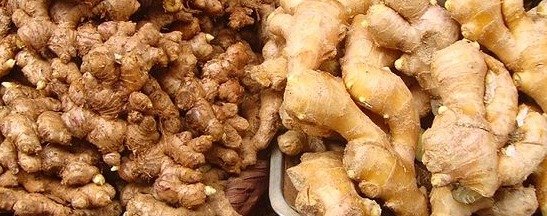
SUPER FOODS ![]() GINGER Why is ginger a good food? It contains
The 1st three work together forming bones and helping muscles and nerves. This means if you have muscle spasms, hypertension, muscle weakness, nausea and gastrointestinal disorders it will be helpful to eat or drink fresh ginger. Potassium in ginger will help prevent fragile bones, paralysis, sterility, muscle weakness, mental confusion, kidney and heart damage. ![]()
This information is not meant to be diagnostic. For diagnosis or treatment please consult your health care professional. ![]() CORIANDER The leaves and seed contain antioxidants and it is used as a carminative and digestive aid, an appetizer and a digestant stimulant. "In Asia the herb is used against piles, headache and swellings; the fruit in colic, piles and conjunctivitis; the essential oil in colic, rheumatism and neuralgia; the seeds as a paste for mouth ulceration and a poultice for other ulcers." Weak coriander tea may be given to children under age 2 for colic. Coriander contains substances that kill some bacteria, preventing infection. New studies suggest that coriander has anti-inflammatory effects. ![]() ALMONDS ![]() SESAME SEEDS |